Learning
The difference between being taught and being helped to see
Most of what we call education is somebody standing at the front of a room saying things and other people writing them down. There is a place for this and it is smaller than we have made it. The other kind of learning, the kind that actually changes how a person sees, almost never looks like a lecture. It looks like somebody being given a problem just slightly harder than the last one they solved, and being trusted to find their way through it, with a person nearby who has done it before and knows when to step in and when not to.
This is not new. Vygotsky wrote it down a hundred years ago and called it the zone of proximal development. Apprenticeships have known it for longer. Your grandmother knew it when she taught you to roll the dough. The thing that changed is that we built a school system that does almost the opposite of this, at scale, and now we have a generation of adults who are confident in nothing because they were never trusted with anything difficult enough to matter.
The theme is about getting that back. Not as a school reform. As a way of being with each other. A way of being with our children, our colleagues, our parents, ourselves.
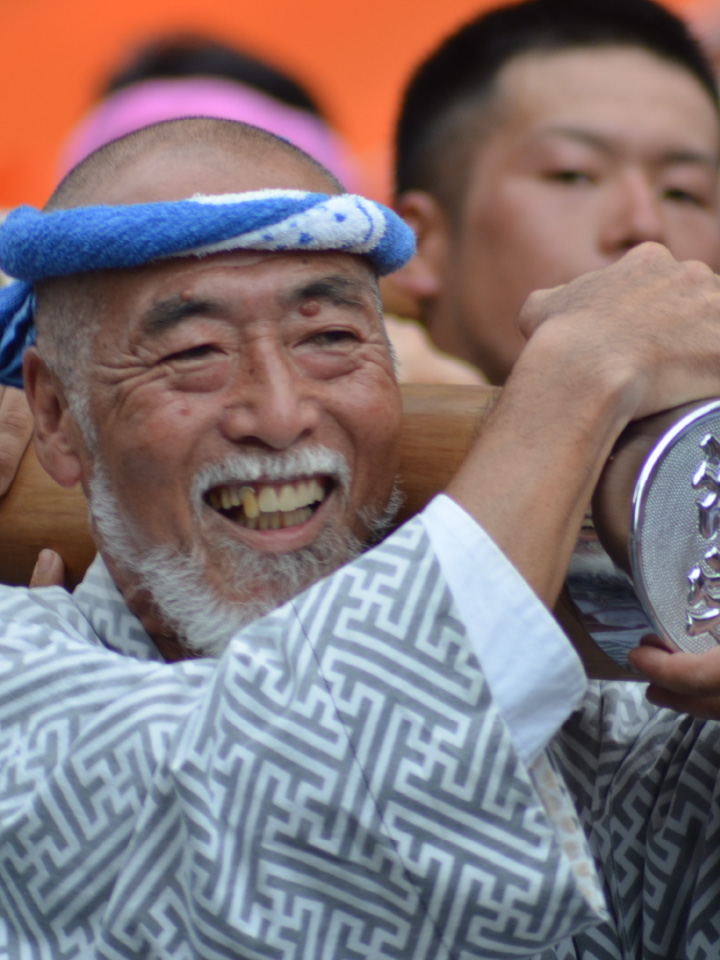
“Your grandmother knew it when she taught you to roll the dough.” POST AI · On learning
History
Why the past gives you a chance against a feed designed to flatten it
The feed shows you what is happening today. It is very good at this. It is so good at it that it has quietly convinced an entire generation that today is the only frame, and that whatever is most loud right now is also the most important thing that has ever happened. This is not true and it has never been true, and the cost of believing it is being unable to recognise patterns that took longer than a news cycle to unfold.
History is the discipline of remembering that something like this has happened before, and noticing what it did, and being slightly less surprised the second time around. It is not a list of dates. It is the slow accumulation of we tried that, here is how it went, which is exactly what the library this conference is building is also for.
A person with no history is at the mercy of whoever is telling the story today. A person with a sense of the long arc is much harder to manipulate. We would like more of the second kind of person.
“History is the discipline of remembering that something like this has happened before, and being slightly less surprised the second time around.” POST AI · On the long arc
Ubuntu
What we owe each other in a world that has stopped requiring us to need each other
There is a Nguni word, ubuntu, that translates roughly as I am because we are. The word predates any of the philosophy that has been built around it and it predates the marketing it has been used in. It points at a fact about human beings that we have been doing our best to forget, which is that a person on their own is not really a person yet.
The modern economy is very good at allowing you to live without needing anyone in particular. You can buy food without knowing the farmer. You can live alone and have things delivered. You can go a year without being missed by anybody who would notice. This is sold to us as freedom and in some ways it is. In other ways it has produced a kind of loneliness that is so widespread we have stopped recognising it as a condition and started treating it as the weather.
The theme is about whether we can build small forms of mutual need back into ordinary life. Not as a moral project. As a practical one. The circles of this conference are one attempt. There will be others.
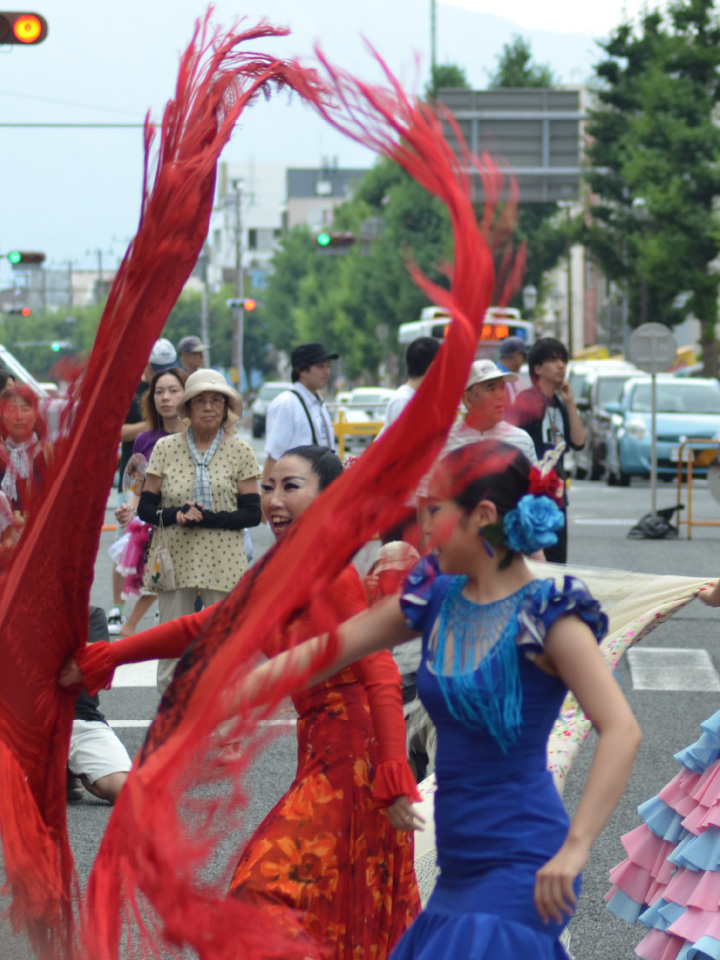
“A person on their own is not really a person yet.” On ubuntu
Children
Who is raising them, and what is being raised in them, when everyone is looking at a screen
If you have a child in your life, you already know this is the hard one. The screens are not going away and the people who design them are very intelligent and very well paid and the children do not stand a chance unless somebody who loves them is paying attention.
The traditional model of one mother and one father raising a child in isolation is recent, and it is not really working, and it was not how it was done for most of human history. The older model was the village. Aunts, uncles, grandparents, neighbours, all participating, all watching, all stepping in when needed. The anthropologists have a word for this, alloparenting, which is just a Greek way of saying other people helping.
We are not going to rebuild villages. We can rebuild small versions of the same idea. A few families who actually know each other’s children. An older relative who is allowed to be a serious presence in a child’s life. A circle of parents who can be honest with each other about how hard this is.
The theme is about what raising a child looks like when you stop pretending you can do it alone, and start asking the people around you to take it seriously with you.
“You do not have to pick one of these four. They are offered because four themes in conversation with each other turn out to cover most of what is worth talking about in a room of adults.” POST AIHow to host a circle →