A conversation that AI cannot have for you.
There is a quiet conversation most of us have been circling around for a while now. Not about AI — that debate has been happening loudly, in every boardroom and classroom and at every dinner table on the planet. This one is different. It is about what we do from here. Between the rapid advances in AI and robotics, something is being asked of us that is not a software update and cannot be delegated to any machine we have yet built.
At the heart of this is learning. Not education. Learning. The uniquely human pursuit of taking information and turning it into something you can actually use — knowledge, judgement, the particular ability to hold a question in your hand and turn it over until you notice what is missing. That part does not automate. It gets weaker when you do not use it.
POST AI is a fully decentralised conference, because that is the only kind of conference that has any business talking about learning. One session in Izu. A kitchen table in Lagos. A classroom in Manila that decided to take an afternoon seriously. Wherever you are, with whoever you choose to sit with — no keynotes, no passive listening, just people in the same place actually talking — all of it feeds the same library. The library is the point.
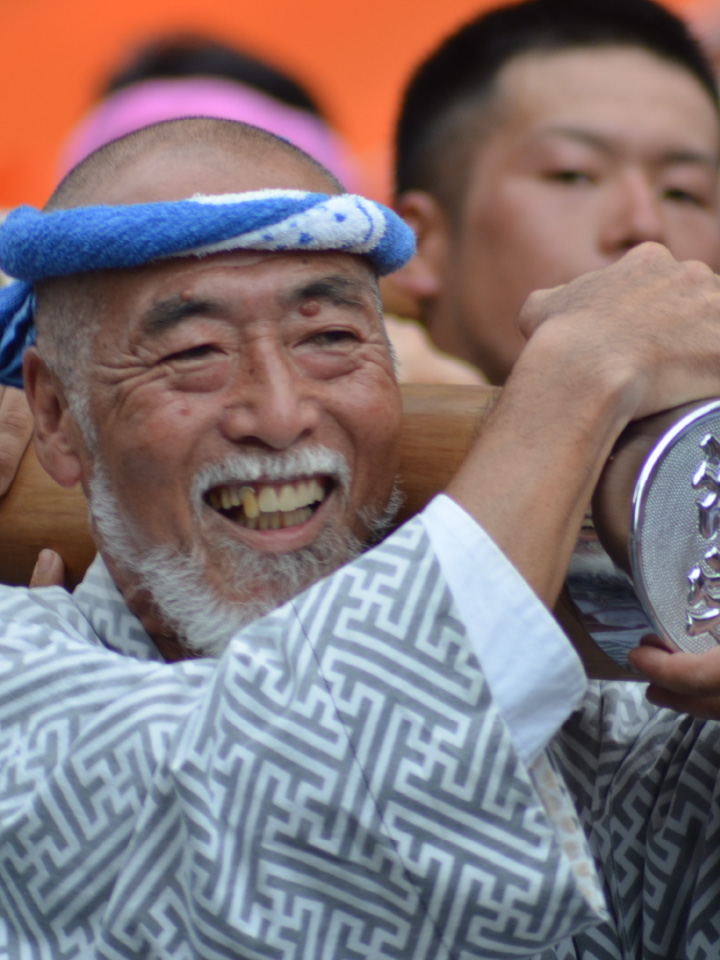 Pl. IA reading room, before the conversation starts.
“The book is a garden carried in the pocket.” Arab proverb
Five doors in. Pick yours.
The same conference, wherever you are. A small number of seats in a room in Izu. A kitchen table in Lagos. A retired teacher who still has something to say. The format is deliberately identical across all of them, so that the library they build is one library, not five.
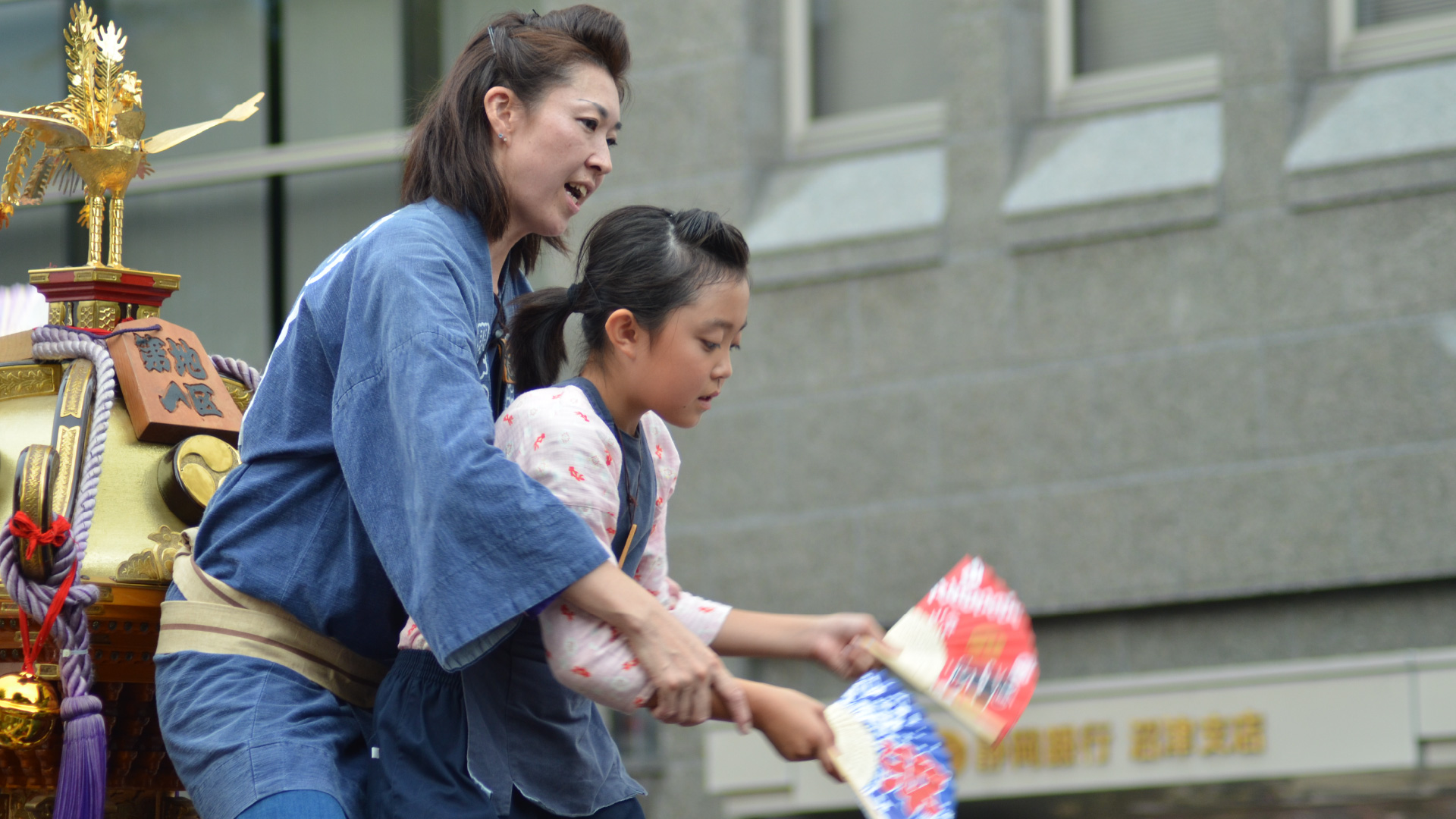
If you are over fifty, please read this first
The most important seats in this conference are for people who have lived through enough to know what worked and what did not. You are not coming to learn. You are coming because the rest of us have lost something we did not mean to lose.
Host a circle wherever you are
You gather a few people. You pick a topic. You sit down and you actually talk. What you find, you add to the library. The format is the same whether you are in Lagos, Lisbon, or your living room in Hamamatsu — which is exactly the point.
Bring your family in through Randoseru
If you have children, the conversations you are already having with them at the kitchen table are part of this. Randoseru is a ritual a family commits to four times a year. The October session is one of the four. Your kitchen counts.
If you are a school or a university
Every institution we have spoken to is asking the same two questions. What do we do about AI in our classrooms, and how do we prove our students are still doing real work. There is a page that walks through how POST AI and CCEF3 answer both.
Sit in the room in Izu
A small number of seats at the weekend summit in Izu, where the week’s work comes together. Local participants from across Japan, a handful of international guests. Four themes reviewed across two days. The summit is where the library grows a spine.
Leave one true story behind
A garden being built in Izu. A wall of steel stones, each one engraved with a name and a single sentence, each one linked to a short video. One stone per person, per lifetime. A century from now, somebody walks past and hears your voice.
Five days. Pick your thread.
The conference runs across Teachers' Week, starting October 5. Circles take place around the world throughout the five days — each one choosing its own time, its own topic, one theme or all four, whatever the room decides to work on. By the weekend, the library is fuller. The Saturday and Sunday summit in Izu brings the threads together and reviews what the week produced. The schedule below shows the shape of the summit. Your circle is yours to design.
Four directions of looking.
The plenary in Izu runs four threads. Each one is a direction of looking, not a syllabus. The circles around the world are welcome to take them up, ignore them, or choose their own. The library will hold all of it.
Learning
The difference between being taught and being helped to see
Most of what we call education is somebody standing at the front of a room saying things and other people writing them down. There is a place for this and it is smaller than we have made it. The other kind of learning, the kind that actually changes how a person sees, almost never looks like a lecture.
History
Why the past gives you a chance against a feed designed to flatten it
The feed shows you what is happening today. It is very good at this. It is so good at it that it has quietly convinced an entire generation that today is the only frame. History is the discipline of remembering that something like this has happened before, and noticing what it did.
Ubuntu
What we owe each other in a world that has stopped requiring us to need each other
There is a Nguni word, ubuntu, that translates roughly as I am because we are. The modern economy is very good at allowing you to live without needing anyone in particular. This is sold to us as freedom and in some ways it is. In other ways it has produced a kind of loneliness we have stopped recognising as a condition.
Children
Who is raising them, and what is being raised in them, when everyone is looking at a screen
If you have a child in your life, you already know this is the hard one. The screens are not going away and the people who design them are very intelligent and very well paid and the children do not stand a chance unless somebody who loves them is paying attention.
What we are here to accomplish.
The conference has four concrete things it needs to produce. They live alongside the conversations, not above them, but you deserve to know what they are before you decide whether to come.
The platform
Evaluate CCEF3 and build the requirements for global scale
CCEF3 is a teaching platform. It is being used. It is not finished. One purpose of this conference is to gather the people using it — teachers, parents, students — and build a clear list of what it needs to become to serve communities it does not yet reach.
The protocol
Ensure the governance of content is fair, honest, and independent
CCEF3 runs on a protocol that governs what content is held and how it is used. The conference is one of the places where that protocol is read aloud, discussed, and amended if the people in the room think it should be. Nobody should benefit from the library without the library knowing.
The library
Begin building the bedrock data for Aio — carefully, not quickly
The library this conference builds will eventually become the knowledge base for Aio, the learning intelligence at the heart of CCEF3. Not scraped from websites. Not assembled at speed. Written by real people, curated carefully, one true entry at a time. The conference is where that work begins.
The funding
Design a model where those with more fund those with less
The final platform should be free where resources are limited. First world funds third world. Business use funds public use. This is not a slogan — it is a structural decision that needs to be worked out honestly with the people it affects, in the room, not decided back at headquarters.
Izu, in October.
The peninsula in autumn holds a quiet that is hard to describe without falling into cliche. It is the particular quiet of a place that has decided not to hurry, at the end of a growing season, when the light has changed but the warmth has not quite left yet.
In the host city, on a piece of ground set aside for the purpose, a garden is being built. The garden is made of paths and quiet corners and walls. Set into the walls are blocks of steel, one for each person who has chosen to contribute a story. A name. A sentence. A code that opens a video. Your great-grandchildren can stand in front of it.
“We came for the conference and stayed for the walks. The hills do not hurry. Neither, eventually, did we.” Attendee, 2024The Garden of Stories →